Tynee Board Review: Named-Component Electric Skateboards Without the Boutique Markup
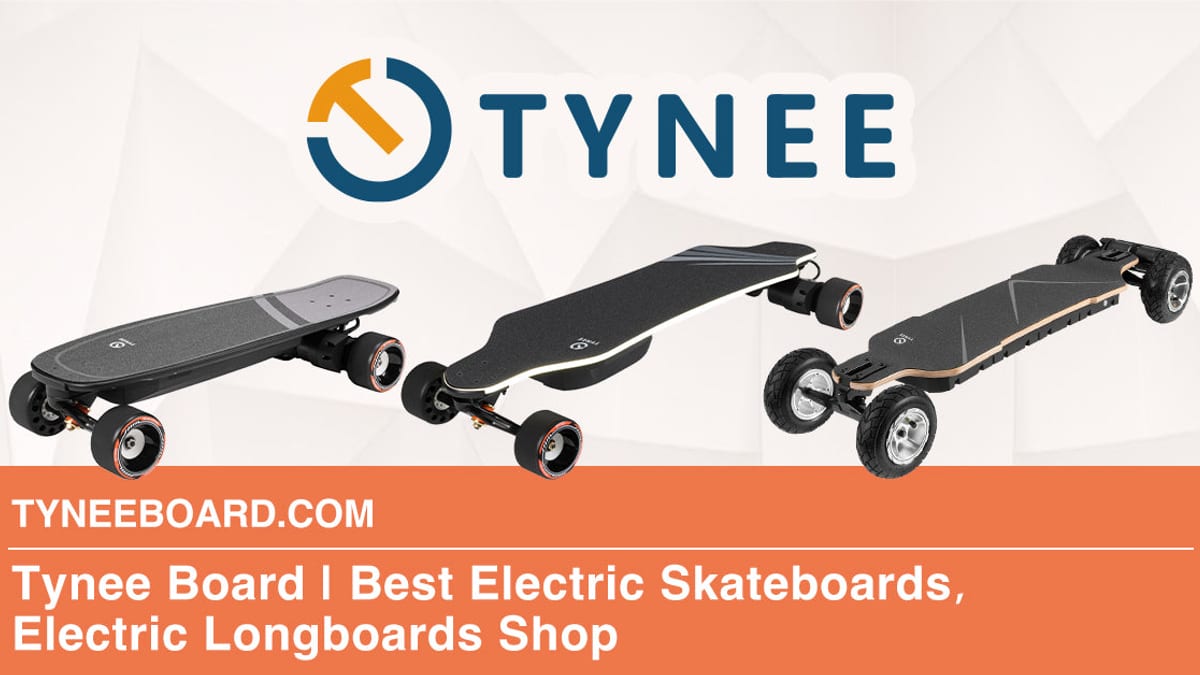
Electric skateboard listings are usually a wall of unverifiable superlatives: powerful motor, long-range battery, premium build. Tynee Board does something the category mostly refuses to do — it names the parts. Hobbywing ESCs, Hobbywing motors, Molicel battery cells, printed on the product pages rather than buried in a support article.
That sounds like a small thing. It is not. In this hobby, the electronic speed controller and the cell chemistry are the two components that decide whether a board brakes smoothly, whether the range figure survives a hill, and whether the pack is still healthy in three years. A brand that names them is a brand you can research independently before spending money.
Reading the price ladder
The range runs from about $379 to $1,199, and it splits roughly into three tiers. The bottom sits in commuter territory — shorter range, less punch, sensible for flat city riding. The middle is where most buyers should be looking, and the Mini series is positioned there. The top of the range competes with the enthusiast brands on performance while still undercutting them on price.
The temptation at the bottom of a ladder like this is to buy the cheapest board and assume you can upgrade later. On an electric board that logic does not hold well: the battery and controller are the expensive parts and they are not casually swappable, so buying below your actual use case usually means buying twice.
What no spec sheet can tell you
Two things deserve caution regardless of components. Range claims across the entire industry are measured under conditions no real rider replicates — light rider, flat ground, modest speed, ideal temperature. Assume meaningfully less than the number on the page, especially in cold weather, where lithium cells lose capacity noticeably.
The other is service. Electric boards are vehicles with wear parts: belts, bearings, wheels, and eventually a battery pack. Before buying at any price, find out what replacement parts are sold and how a warranty claim is actually handled, because that is the difference between a three-year board and an expensive one-season toy. This is the area where the big established brands still justify part of their premium.
The verdict
8 / 10. Component transparency in a category that thrives on the opposite, a sensible price ladder, and genuine performance at the top end. Held back by industry-standard optimistic range figures and by service and spare-parts information that is harder to find than the spec sheet.
A strong pick if you have ridden before and know what range and top speed you actually need. Approach the entry tier carefully — on electric boards, buying slightly above your current needs is usually cheaper than buying twice.
See the current range and pricing at Tynee Board — we may earn a commission if you buy through this link, at no extra cost to you.